



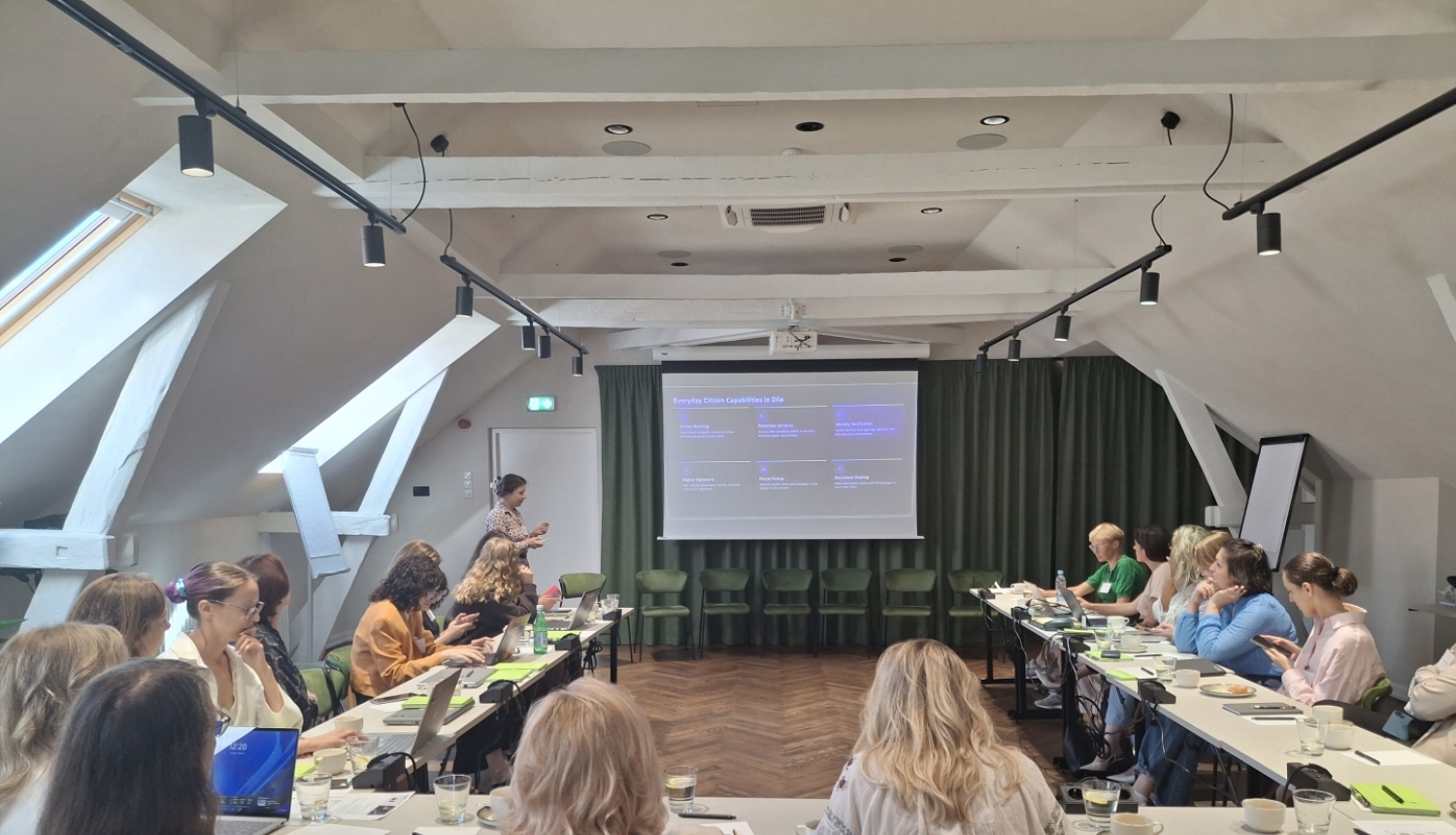
From 3 to 7 August 2026, Riga hosted the international dialogue "Women's Leadership in Digital State Transformation: The Ukrainian Experience in Public ICT Governance", organised by “Economic Cooperation and Investments for Latvia” (#esiLV), within the EU-funded “Women’s Leadership in the Public information and communication technology (ICT) Sector”(WLICT) initiative and coordinated by the Central Finance and Contracting Agency (CFCA).
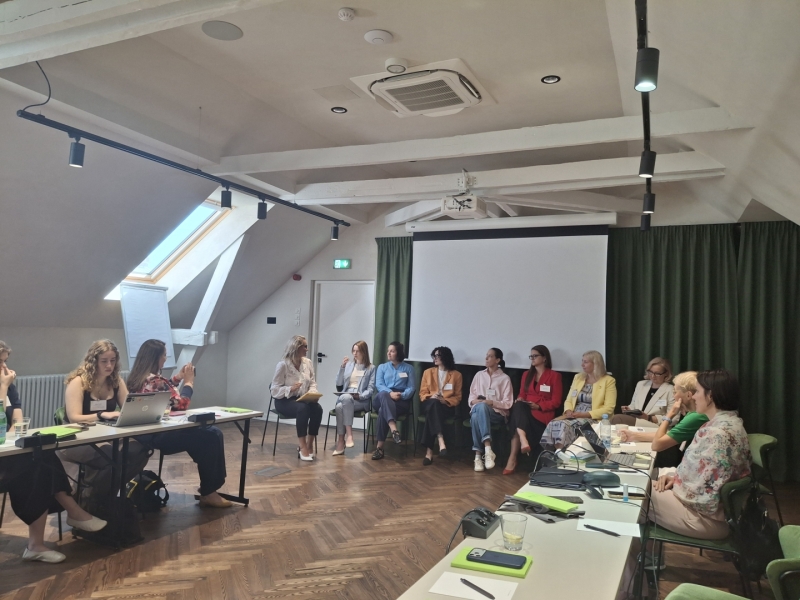
The event brought together women leaders from Ukraine's public ICT sector, academia and civil society, alongside Latvian and European policymakers, digital transformation experts and innovation leaders. Through a series of policy discussions, workshops and peer-learning sessions, participants exchanged experiences and explored common challenges related to digital transformation, artificial intelligence governance, institutional resilience and women's leadership in the public sector.
A central focus of the dialogue was Ukraine's experience in maintaining and expanding digital public services during wartime. Participants examined lessons from Ukraine's internationally recognised Diia platform, the Chief Digital Transformation Officer (CDTO) governance model and the Mriia educational ecosystem. These experiences provided valuable insights into building resilient, citizen-centred and future-ready digital governance systems across Europe.
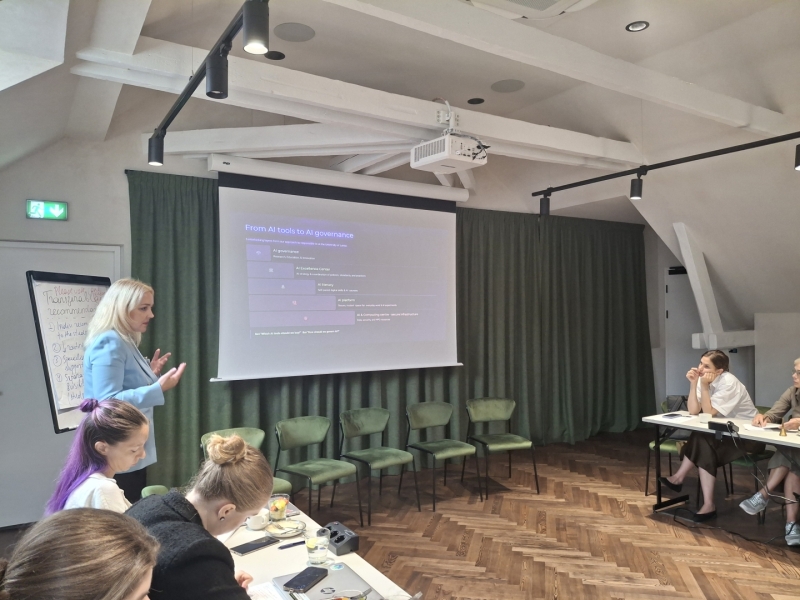
Throughout the dialogue, participants highlighted that digital transformation is driven by people, leadership and mindset rather than technology alone. Discussions emphasised that resilience depends on investment in digital infrastructure, cybersecurity, trusted institutions and skills, while effective leadership is rooted in responsibility, collaboration and empowering others. Participants also stressed that trust is essential for responsible AI and that technology can deliver public value only when supported by strong governance and ethical principles.
Participants also explored the opportunities and challenges of artificial intelligence in public administration, including implementation of the EU AI Act, accountability frameworks, cybersecurity, public-private cooperation, digital skills development, mentorship and innovation ecosystems. Discussions highlighted the importance of ensuring that technological innovation remains human-centred, transparent and aligned with democratic values.
The dialogue generated several concrete outcomes. Participants developed an initial set of joint policy recommendations, which will continue to be refined through ongoing consultation, evidence gathering and collaborative work. The recommendations are expected to contribute to a policy brief on women's leadership in digital transformation and to inform a joint action plan supporting continued cooperation among Ukrainian, Latvian and European stakeholders. The resulting outputs will be shared with project partners, policymakers and international organisations in the coming months.
The WLICT initiative, funded by the European Commission under the Digital for Development (D4D) initiative, supports the EU Global Gateway Strategy by promoting inclusive, people-centred digital transformation through international cooperation, knowledge exchange, digital skills development, and greater participation of women in public ICT leadership.
The initiative is implemented by a consortium of agencies from six EU Member States: Expertise France (France) – lead organization, CFCA (Latvia), ENABEL (Belgium), Estonian International Development Centre (ESTDEV) (Estonia), FIAP (Spain), Deutsche Gesellschaft für Internationale Zusammenarbeit GmbH (GIZ) (Germany).
The main objectives of the initiative are:
- To strengthen the capacity of public sector leaders to develop digital transformation policies with a gender perspective.
- To expand STEM education opportunities for young women.
- To create a safer digital environment by combating technology-facilitated gender-based violence.
Overall, the initiative covers 16 priority countries in Africa, Asia, Europe, and Latin America, aiming to reduce the gender digital gap and ensure that digital transformation is inclusive, fair, and responsive to the diverse needs of society.
CFCA, as Latvia's development cooperation agency, has signed an agreement with the EC to implement the WLICT initiative, strengthening the EU's and Latvia's commitment to promoting gender equality and digital inclusion.