



The first implementation year of the European Union (EU)-funded initiative “Women’s Leadership in the Public Information and Communication Technology (ICT) Sector” (WLICT) concluded in August 2026. The initiative aims to strengthen women’s leadership in the public ICT sector, reduce gender inequalities in digital transformation processes, and promote inclusive digital governance in partner countries.
During the first year of the project, the Central Finance and Contracting Agency (CFCA) signed cooperation agreements with the Latvian NGOs esiLV and Riga TechGirls, significantly expanding the involvement of Latvian civil society organizations in international development cooperation activities. During this period, partnerships were established, exploratory visits and expert visits were carried out, and the groundwork was laid for future activities in Ukraine, Tanzania, and Uzbekistan.

Riga TechGirls promotes engagement in STEM
In Ukraine, Riga TechGirls focused on encouraging girls’ and women’s participation in STEM (science, technology, engineering, and mathematics) fields. Following an exploratory visit to Kyiv, partnerships were established with STEM IS FEM, Tokarev Foundation, and uBoost. From May to August 2026, the partners implemented a range of activities, including participation in the INSCIENCE 2026 Science and Technology Conference and the SheLeads Road Show series of events in various Ukrainian cities.
These activities reached more than 1,500 participants, providing young women with opportunities to meet STEM professionals, researchers, and entrepreneurs, while gaining practical insights into career opportunities in technology and innovation.
In Tanzania and Uzbekistan, the first year of the project was primarily dedicated to assessing the local context and building new strategic partnerships.
esiLV develops research, leadership, and policy dialogue
One of the most significant milestones of the first project year was the EU-Ukraine Multistakeholder Dialogue, held in Riga in August 2026. The event brought together women leaders from Ukraine’s public ICT sector, European experts in digital governance, and policymakers. As a result of the dialogue, joint recommendations are being developed for future cooperation in digital governance and women’s leadership.
At the same time, esiLV has developed a Women’s Leadership Development Programme for women working in technology, public administration, and digital policy in Ukraine. The programme is scheduled to begin in autumn 2026.
In Uzbekistan, esiLV representatives carried out two working visits to Tashkent. During the first visit, potential cooperation partners were identified and an initial situational assessment was conducted. During the second visit, focus groups and interviews were held with representatives of government institutions, academia, civil society organizations, and international organizations.
Alongside these activities, an academic research study is being conducted on women’s leadership development pathways in the public ICT sector, while also examining governance challenges related to bias in artificial intelligence and emerging digital technologies in Ukraine and Uzbekistan. The study is expected to be completed by early 2027.
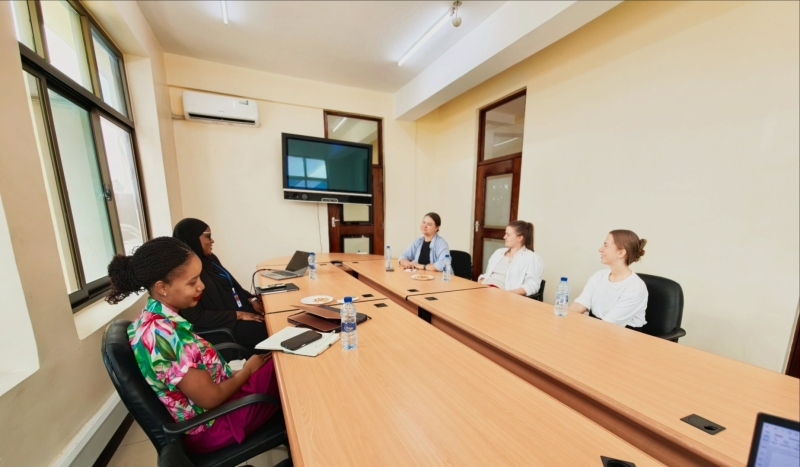
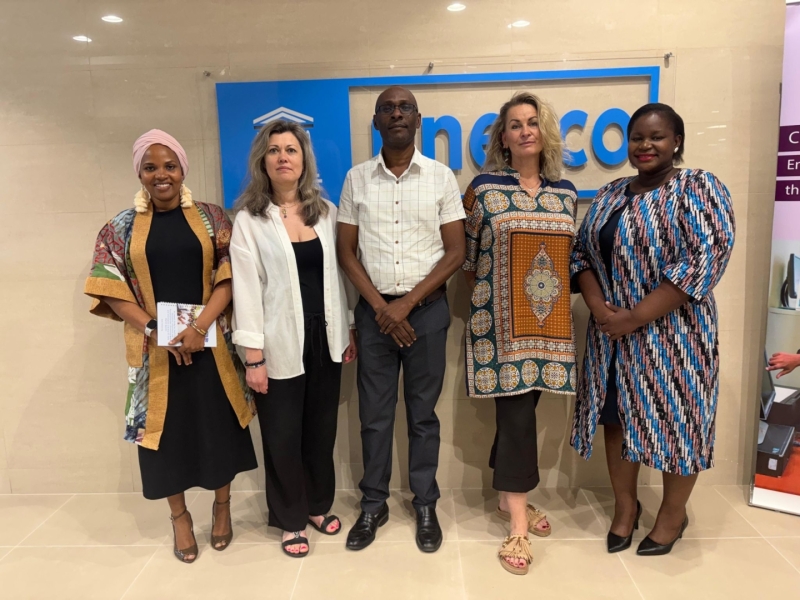
In Tanzania, esiLV carried out an assessment of technology-facilitated gender-based violence and identified several strategic cooperation partners. Collaboration has been initiated with the Tanzania Women Lawyers Association, the UONGOZI Institute, and UNESCO Tanzania to develop future training programmes for representatives of law enforcement institutions, the judiciary, and the higher education sector.
About WLICT
The WLICT initiative, funded by the European Commission under the Digital for Development (D4D) framework, contributes to the objectives of the EU Global Gateway Strategy. It promotes inclusive and people-centred digital transformation, international cooperation, knowledge exchange, digital skills development, and greater participation of women in leadership in the public ICT sector.
The initiative is implemented by a consortium of organizations from six European Union Member States: Expertise France (France) as the lead organization, CFCA (Latvia), ENABEL (Belgium), ESTDEV (Estonia), FIAP (Spain), and Deutsche Gesellschaft für Internationale Zusammenarbeit (GIZ) (Germany).
The initiative’s key objectives are to:
- strengthen the capacity of public sector leaders to develop digital transformation policies from a gender equality perspective;
- expand STEM education opportunities for young women;
- promote a safer digital environment by reducing technology-facilitated gender-based violence.
Overall, the initiative covers 16 priority countries across Africa, Asia, Europe, and Latin America, aiming to reduce the digital gender gap and promote digital transformation that is inclusive, equitable, and responsive to the needs of diverse groups in society.
As Latvia’s development cooperation agency, CFCA has signed an agreement with the European Commission for the implementation of the WLICT initiative, reinforcing the commitment of both the European Union and Latvia to advancing gender equality and digital inclusion.